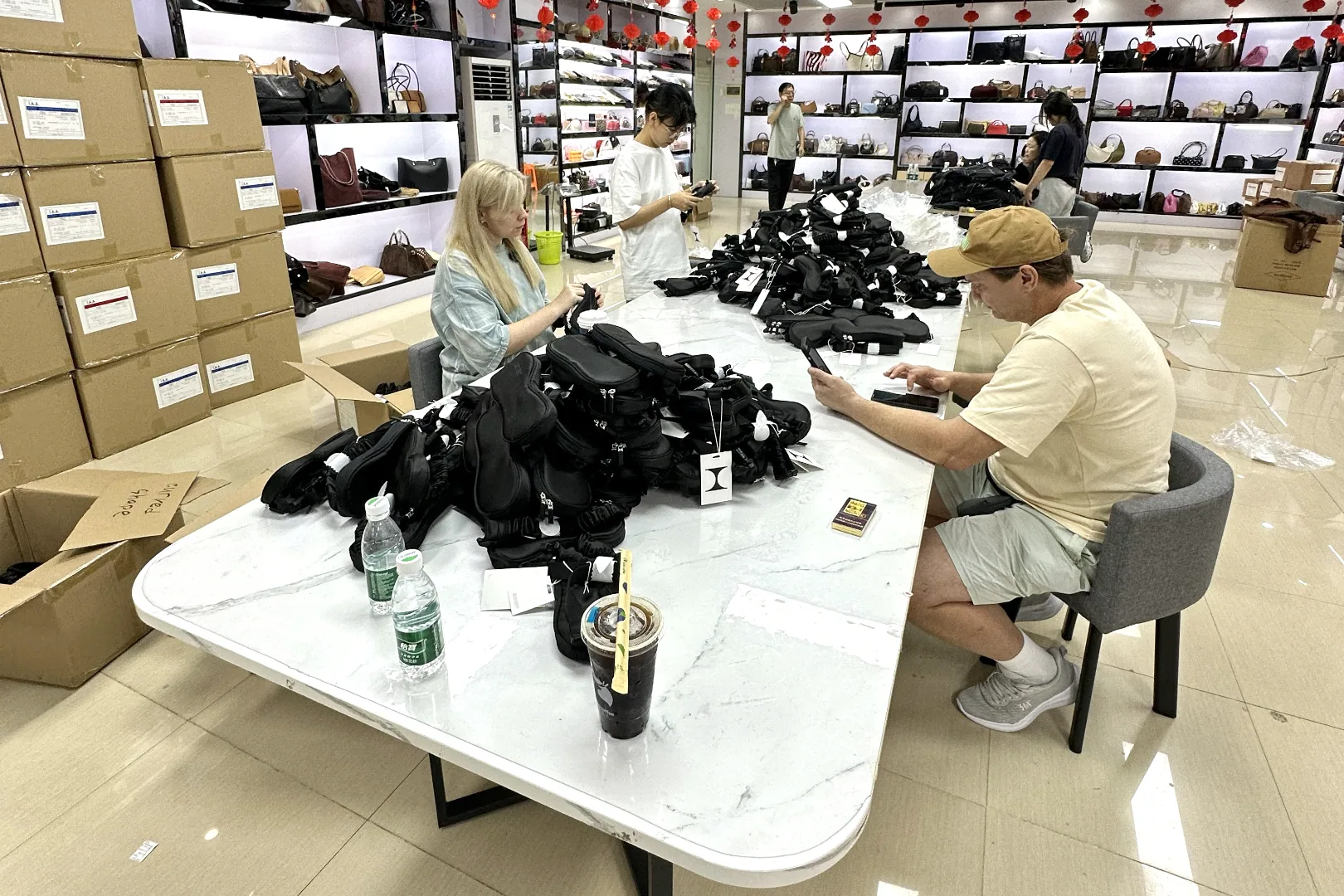
The work was carried out within an ongoing project with a client who maintains continuous production in China. The client produces various categories of products—clothing, accessories—and as part of this work, periodic factory visits and quality control are required.
The task was straightforward, but no less critical: inspection of a finished batch of sports bags. The volume was relatively small—300 units—but this was not my first visit to this factory regarding these bags in recent times.
Batch inspection: how it works in practice
The inspection was not done on a sampling basis, but unit by unit. Formally, this is a small batch, but it is at this scale that real production issues most often become visible.
The inspection was carried out based on four parameters:
- First — packaging;
- Second — seam strength, including tear resistance;
- Third — product shape;
- Fourth — material condition, including snags and surface defects;
"Quality control is not a report. It is the moment when it becomes clear what has actually been produced."
The result was expected and clearly reflected in the numbers. Out of 300 bags:
- 184 units can be considered conditionally acceptable;
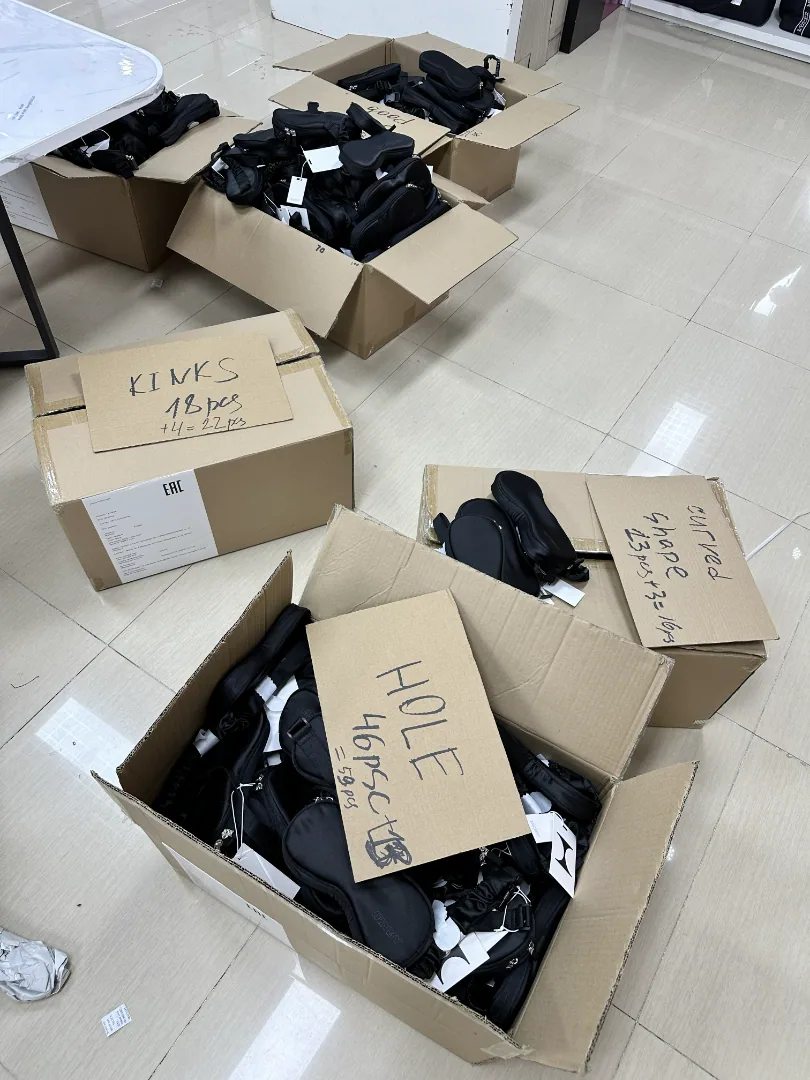
- 116 units — with defects of varying severity;
At the same time, even the “acceptable” bags had issues with shape.
Main issues:
- Seam breakage;
- Incorrect stitching;
- Loss of shape;
- Snags on the material;
- Local defects;
"Most issues do not look critical in the photos sent by the manufacturer, but become obvious during physical inspection."
What does this inspection give the client?
It cannot be said that the inspection itself “solves the problem.” It identifies and documents the existence of issues. But this fact becomes a tool in itself.
After the inspection, the client gains the ability to:
- Reject part of the goods;
- Request rework of non-accepted items;
- Negotiate a discount;
- Pay only for acceptable quality products;
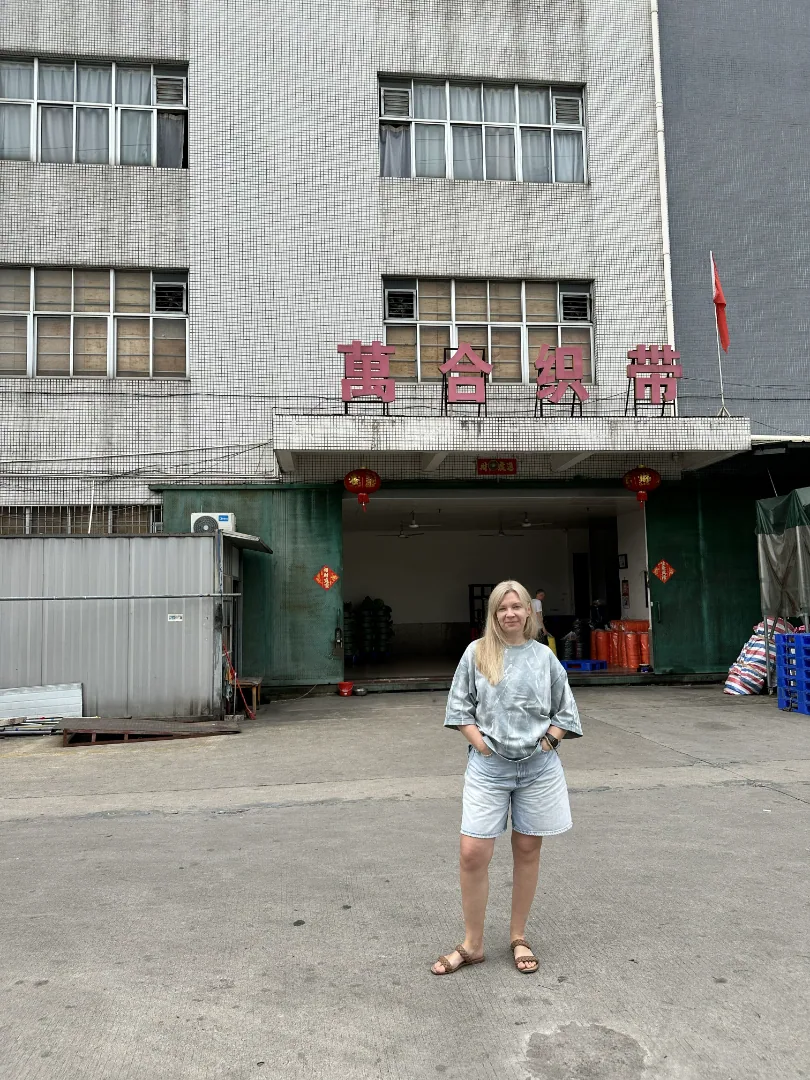
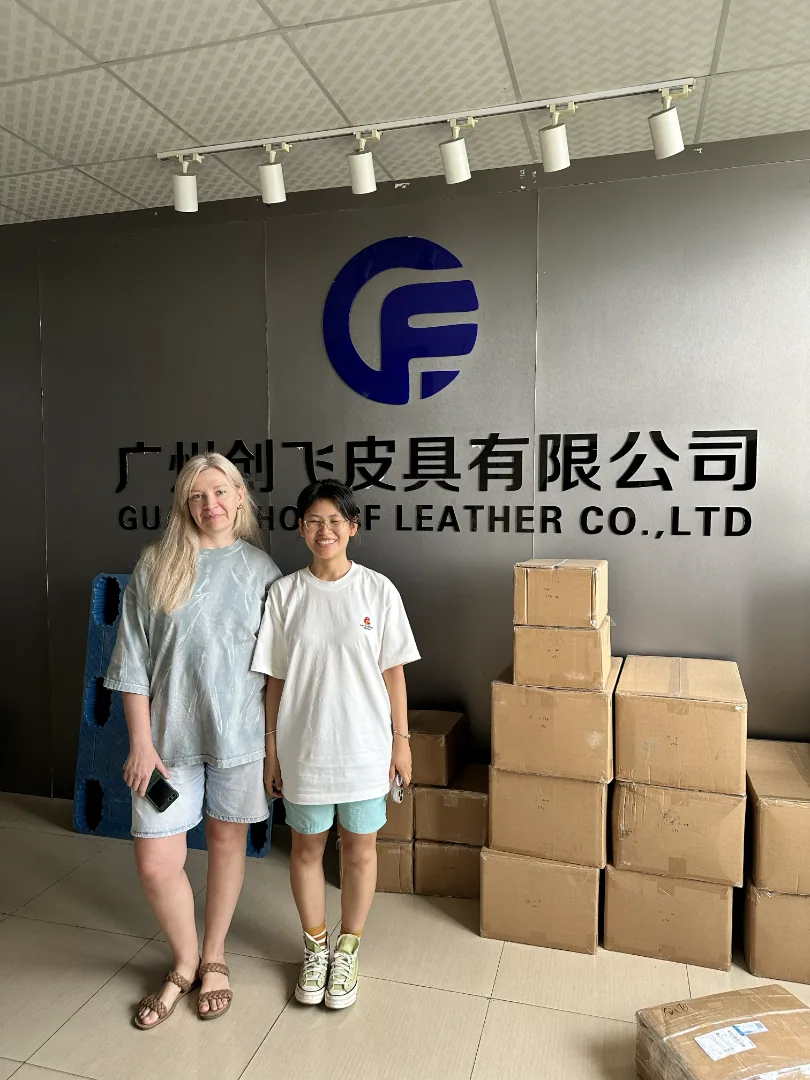
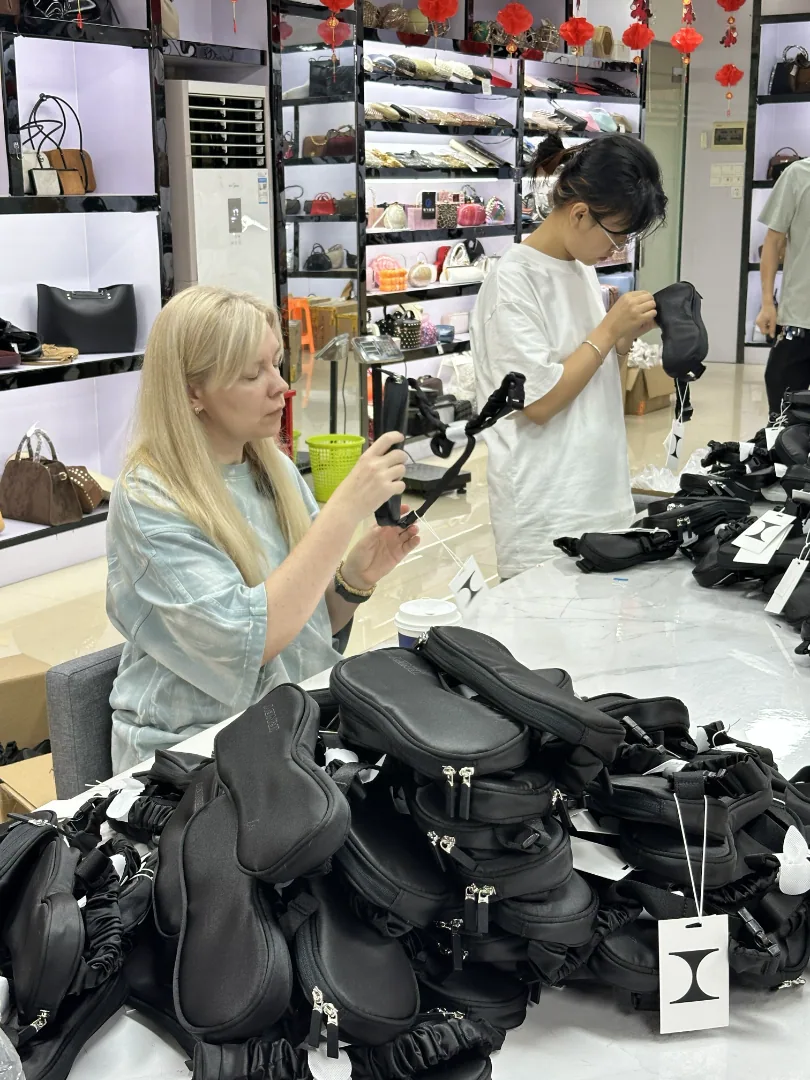
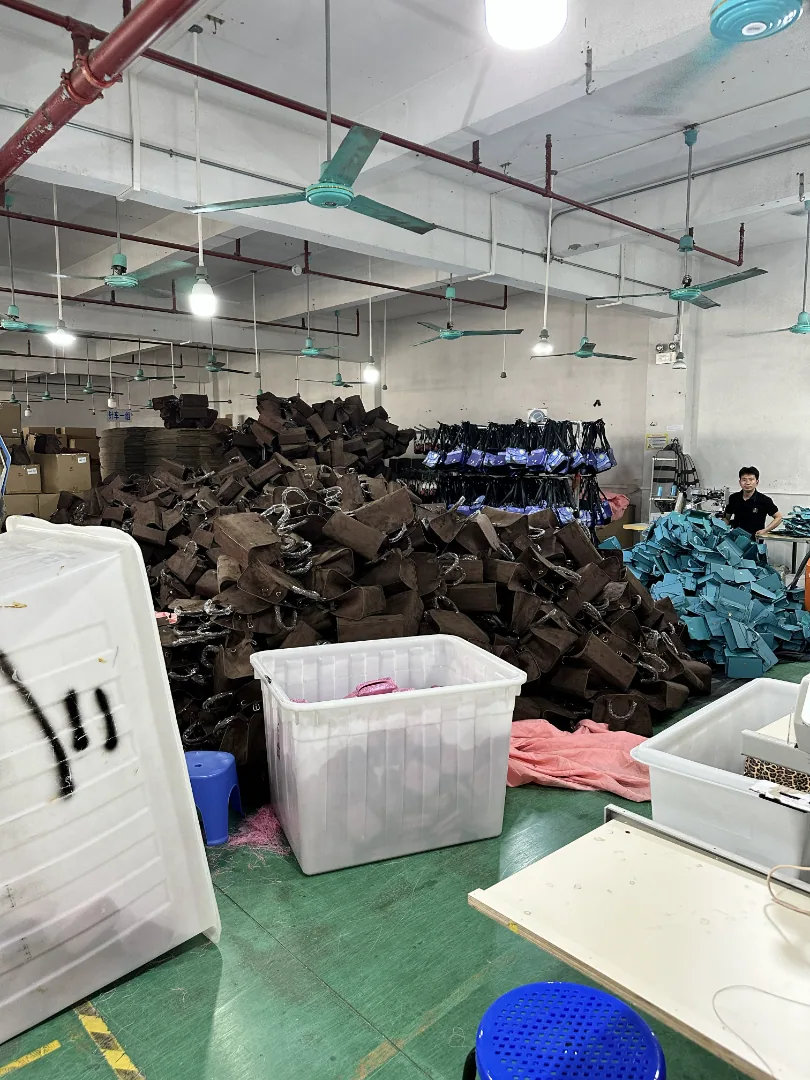
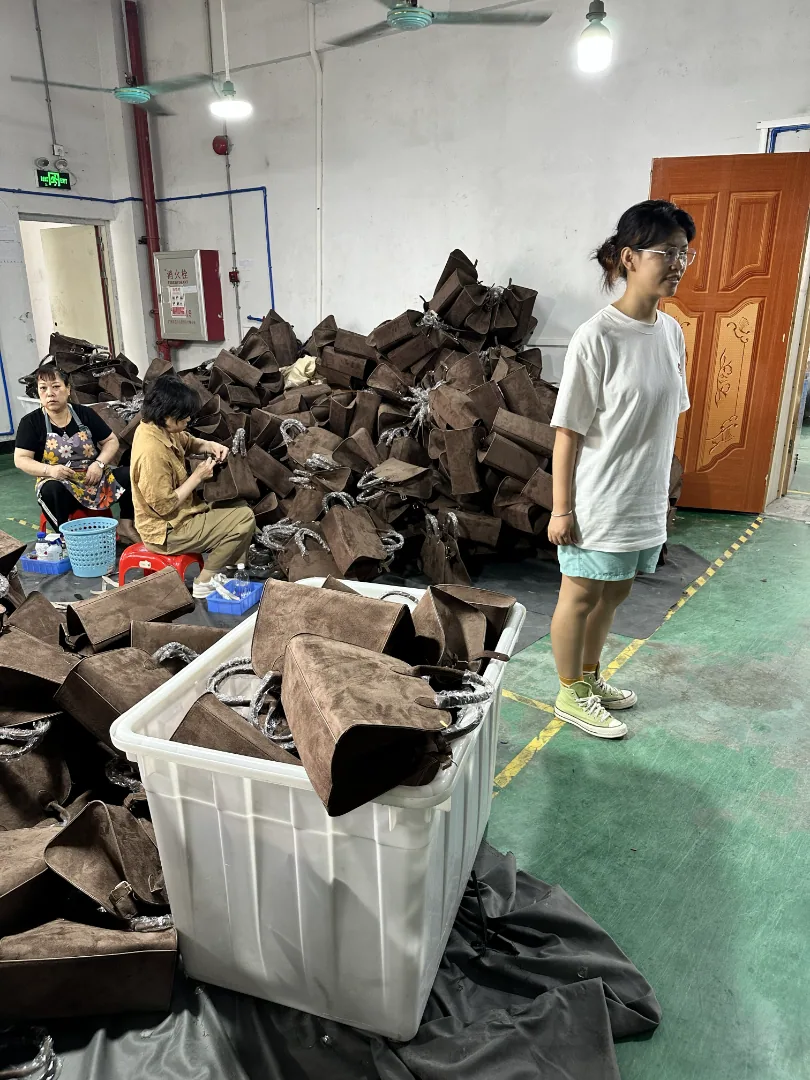
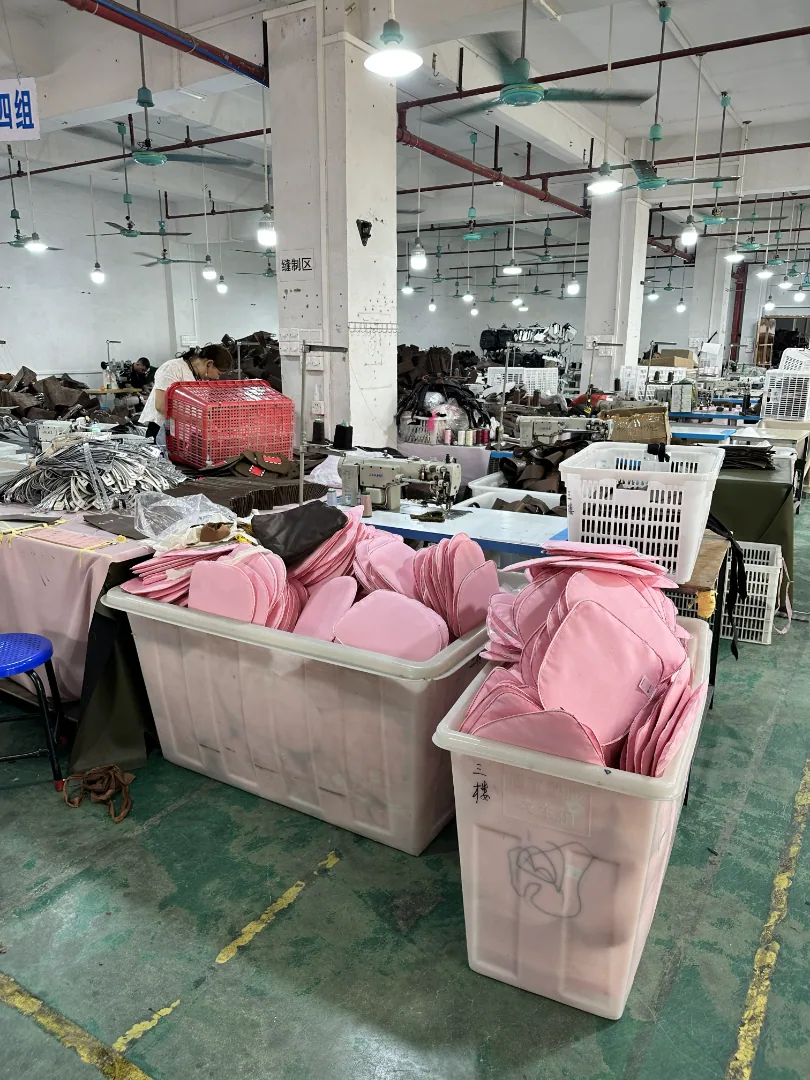
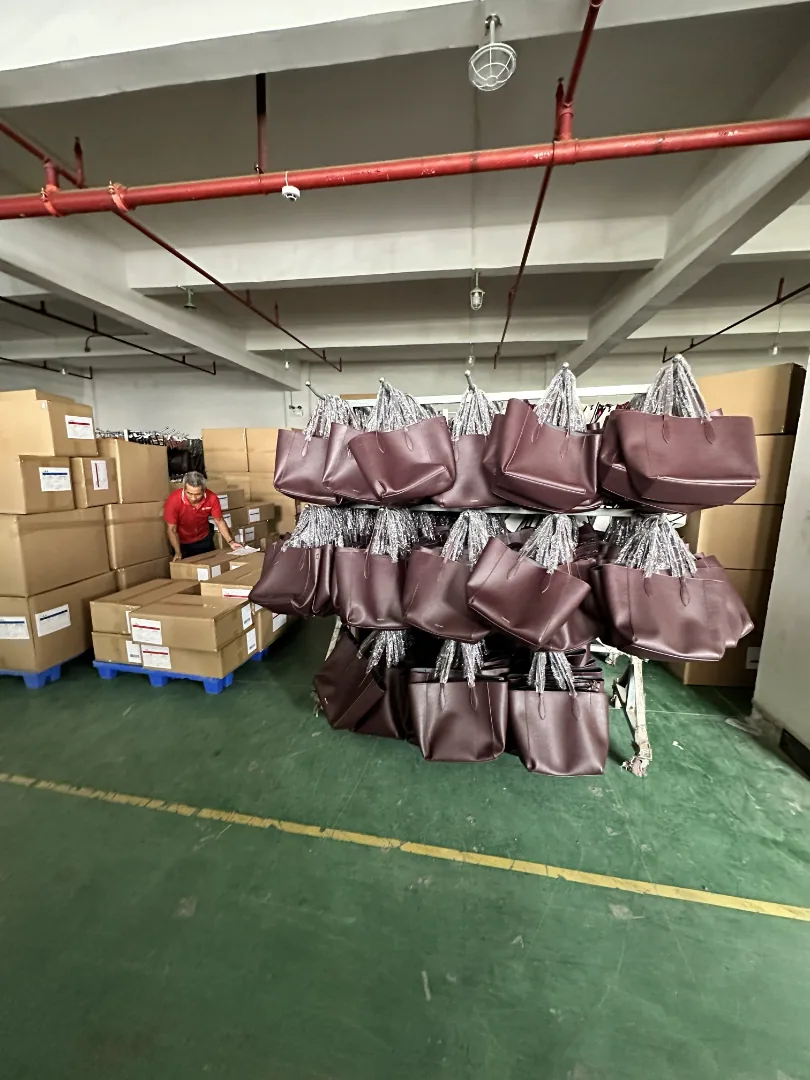
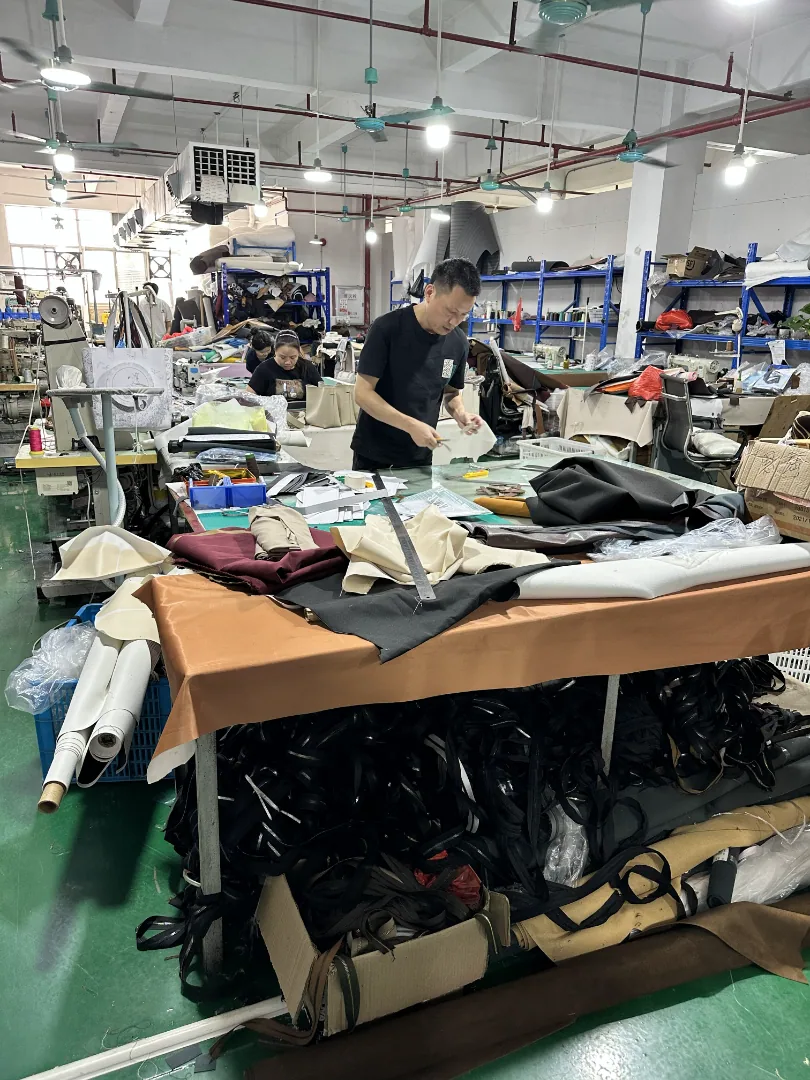
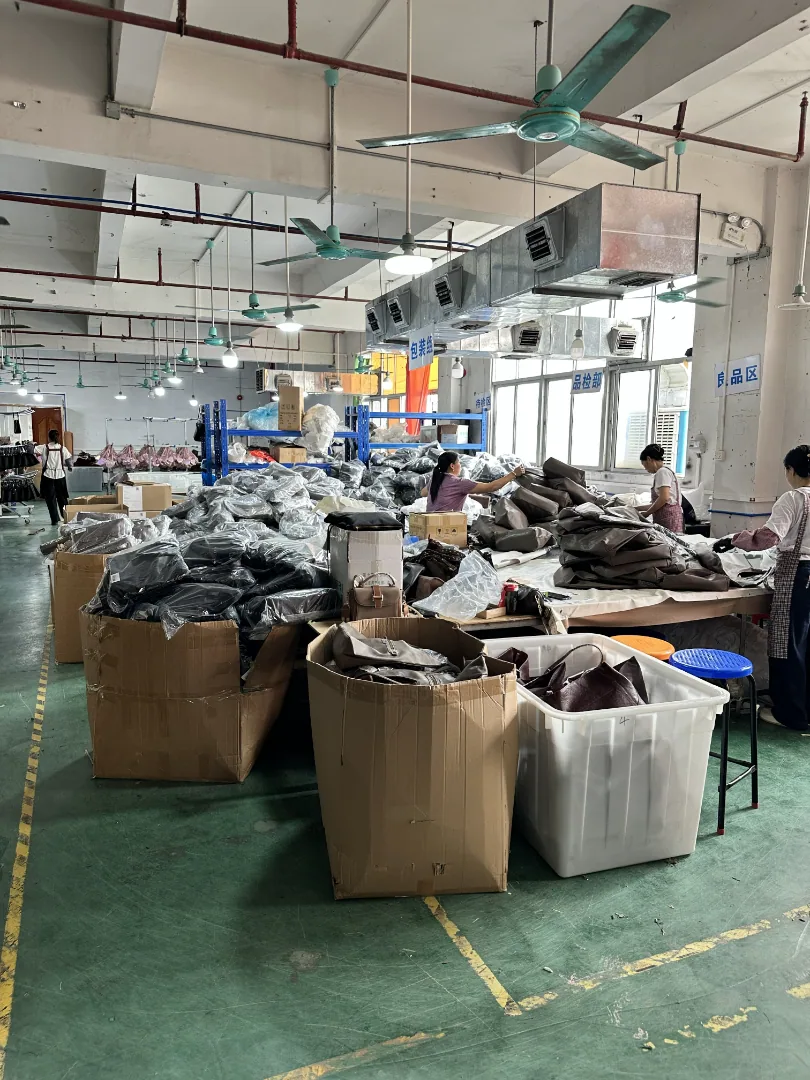
Photos from a bag batch inspection at a factory in China
Factory audit
Alongside the inspection, a basic audit of the production facility was conducted. The factory operates across five floors, with 80 employees working on a permanent basis.
The production volume of bags is around 30,000 units per month, covering different constructions, materials, and price segments.
The main markets are Russia and Europe. The manufacturer specifically highlights Spain as an active market through clients based there.
Their largest client is ASOS, a British brand that the factory considers its key customer.
The main material currently used is PU (synthetic leather). The reason is simple—cost.
"Material is always a compromise between price and product lifespan."
In the showroom, you can see actual shipments and ongoing projects. Some of the products already carry the hangtags of final brands.
At the time of the visit, the showroom featured products for brands such as Zarina, Love Republic, Angelo Accessories, Enge Lite, Jo \& Mr. Joe, ASOS, and others.
It is important to understand that this is not a showcase of the factory’s clients, and certainly not a complete list. These are only samples that were physically present in the showroom at a specific moment in time. They reflect the level and geographic scope of the factory’s work.
From a practical standpoint, this is one of the few indirect signals that can be obtained on-site. It helps to understand which market segments, requirements, and client levels the factory has already worked with.
Production cycle
The factory operates on a full-cycle basis, from cutting to final sewing. This is clearly reflected in the production structure:
- Cutting areas;
- Sewing workshops;
- Assembly;
- Packaging;
The factory does not work with bags only. It also produces belts, labels, and other leather goods accessories.
What should be understood from this inspection
A volume of 300 units is where issues cannot be “hidden” behind scale.
And it is precisely these inspections that provide an understanding of:
- How consistently the factory maintains quality;
- Where deviations begin;
- How it responds to feedback;
Conclusion
Such visits are not about control for the sake of control. They are about capturing the real state of production at a specific point in time.
Even with ongoing cooperation with a factory, quality is not a constant.
Even with continuous cooperation, quality fluctuates from batch to batch. The only way to manage it is to stay involved in the process and verify the outcome.
Related articles
Recycled Materials in Apparel: A Trend or the New Reality?
In 2026, recycled materials have definitively moved beyond being just a marketing tool for major brands.

How to Launch Clothing Production in China
China has long been the center of global clothing manufacturing. Many companies aim to launch production there efficiently, but they often face unexpected challenges.
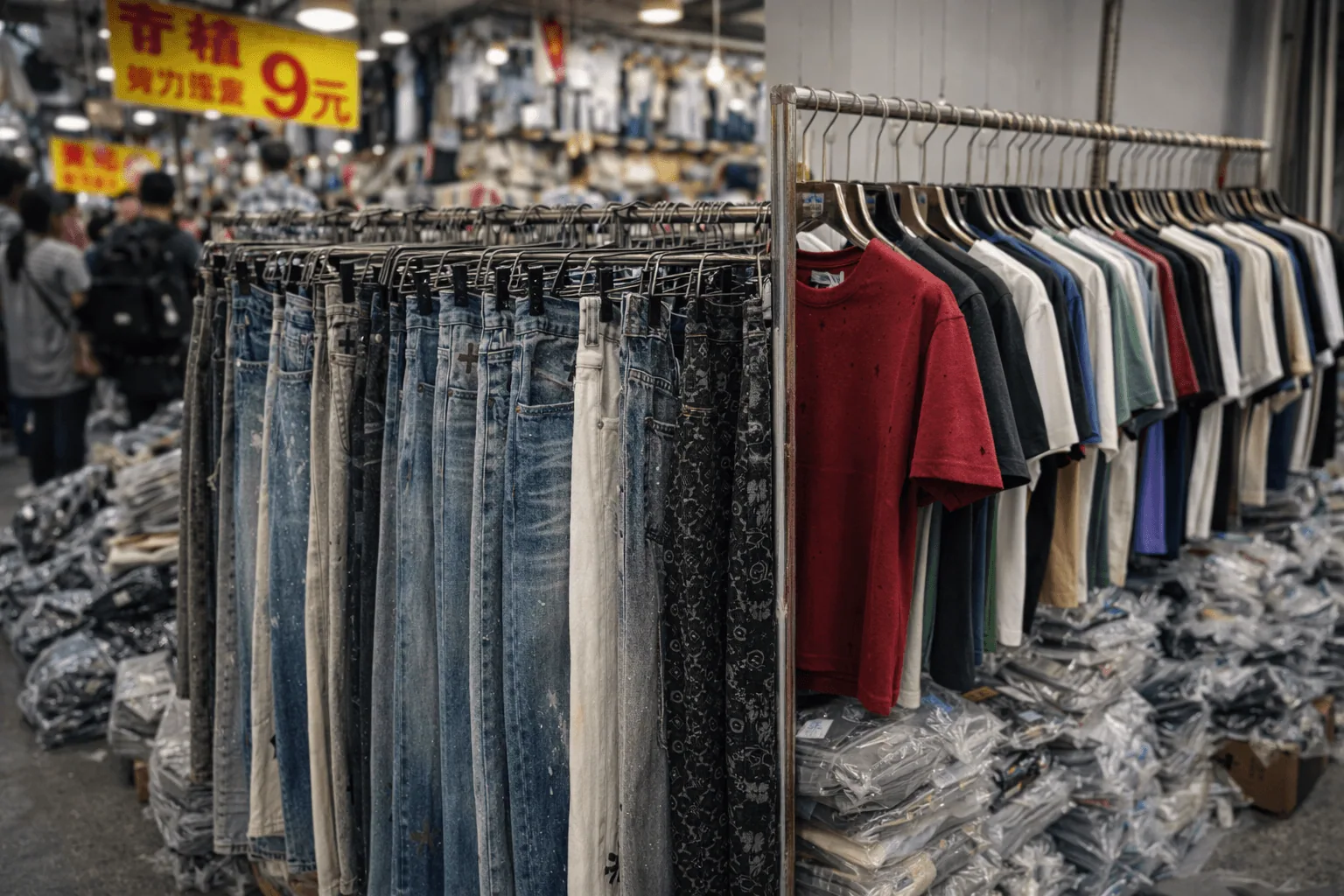
Buying Ready-Made Clothing in China vs Manufacturing
Buying ready-made clothing is a separate tool with its own limitations, risks, and objectives.