
China has long been the center of global clothing manufacturing. Many companies aim to launch production there efficiently, but they often face unexpected challenges.China has long been the center of global clothing manufacturing. Many companies aim to launch production there efficiently, but they often face unexpected challenges.
Mistakes most often occur not at the factories, but before the first order is even placed. Understanding how to manage the process remotely is the key to success.
Launching production is not about "where to sew," but about "how to make the process work." It involves a chain of interconnected steps, each influencing the final outcome.
"China, as a production base, delivers maximum efficiency only when a management system is in place."
From Idea to Product
Clothing production is manual work, divided into multiple technological stages: sewing, washing, dyeing, drying, and final assembly. Each step is performed by different people, and perfect repetition is impossible.
This is why the focus must be on a concrete product, described in technical documentation. Factories do not work with ideas or visual references. Without precise measurements, patterns, materials, specifications, and construction, the factory starts "guessing," and the first problems arise.
Samples are another check of the factory's understanding of the product. They indicate the direction but do not guarantee that mass production will be an exact copy. As volume increases, conditions, staff, and workload change. Samples help reveal misunderstandings before errors begin to scale.
Choosing a Factory and Preparing for Production
A common mistake is searching for a factory too early. The manufacturer should be selected based on the product, not the other way around. It is important to consider the factory's specialization, export experience, workload, and quality level.
Before mass production, all details must be fixed: final sample, materials, packaging, specifications, and deadlines. Any unfixed detail becomes a future risk zone.
Real Timelines and Planning
Timelines are often underestimated. The average production cycle for a batch is 25-45 days, but preparatory steps (negotiations, price approval, technical documentation, first sample) add another 2-3 weeks.
The first sample is a test of the factory's readiness, not the final result. The factory handles dozens of orders simultaneously, so timelines always fluctuate. In addition, production timelines do not include defect corrections, repeat inspections, or repackaging. In practice, this adds extra time that must be accounted for in planning.
"Delays in production rarely happen by chance - they are usually a planning error."
Main Risks
The key risk is the difference in understanding the outcome between the client and the factory. The factory evaluates the process technically, the client visually. What is acceptable deviation for the factory may appear as an error to the client.
Typical issues include:
- Non-compliance with the sample
- Material substitutions
- Size errors
- Deadline slippages
- Loss of quality in larger batches
All these risks arise not because of Chinese factories, but due to the lack of management and control systems.
"Any unfixed detail is a future risk zone."
What an Effective Working Model Looks Like
An effective model includes:
- Clearly defined product
- Complete technical documentation
- Verified production
- On-site control
- Process management
Launching production requires the roles of a technologist, manager, quality controller, and negotiator simultaneously. Without these competencies, even an experienced client faces additional costs, delays, and quality loss.
From my practical experience, most clients have strong competencies in design, market understanding, and awareness of timelines and budgets. However, they often lack production expertise: how production in China works, how the process is structured, and which details are critical for consistent results. Without this knowledge, the risk of additional costs rises sharply.
"The production process is very different from the general fashion industry."
Management and Control - The Key to Success
China provides scale, speed, and economy, but only with a management system in place. Successful production launch is not a matter of contacts, but of process management.
If you want to minimize risks and losses, every stage - from product development to mass production - requires careful attention.
As you may have noticed, this site describes my experience and approach to organizing clothing production in China in detail. Over the years, I have seen typical mistakes that lead to wasted time and resources, and I know how to minimize them.
If you are interested in launching production of your collection in China, you can fill out the contact form below or reach out to me in any way convenient for you.
Related Articles

Recycled Materials in Apparel: A Trend or the New Reality?
In 2026, recycled materials have definitively moved beyond being just a marketing tool for major brands.
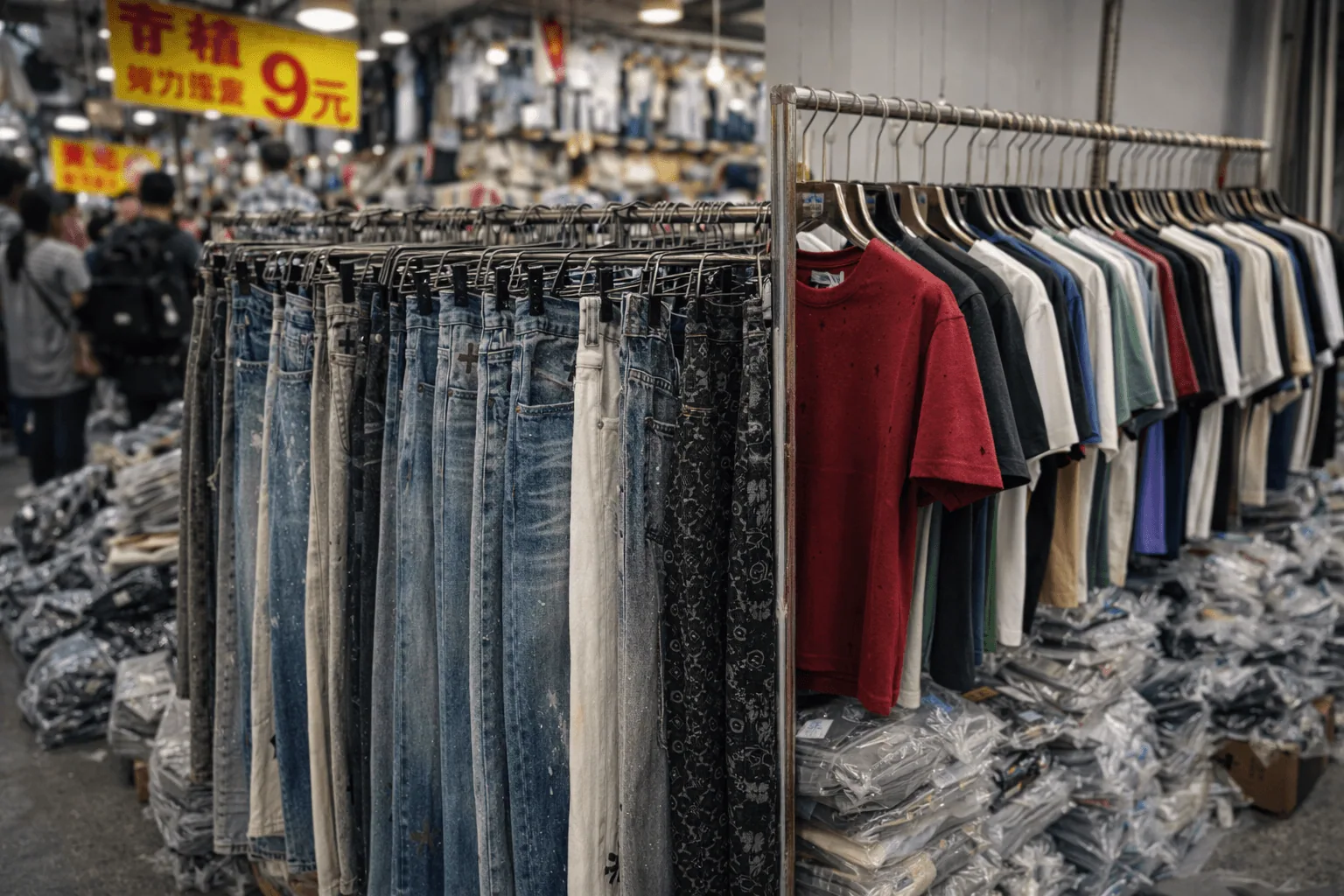
Buying Ready-Made Clothing in China vs Manufacturing
Buying ready-made clothing is a separate tool with its own limitations, risks, and objectives.
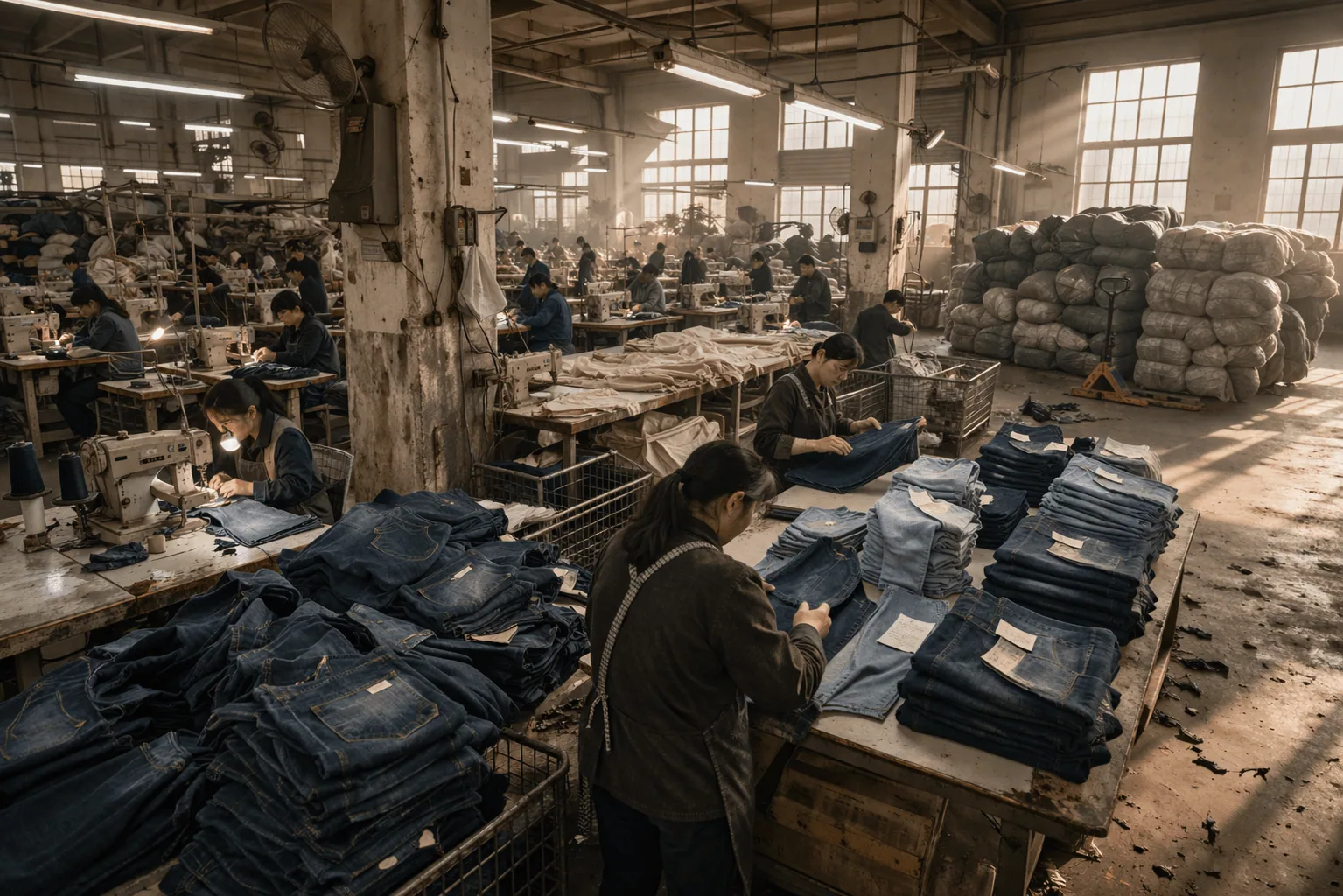
MOQ for clothing manufacturing in China
For brands planning clothing production in China, this is one of the key parameters.