Fabric as a Carrier of Function: Where the Textile Industry is Heading
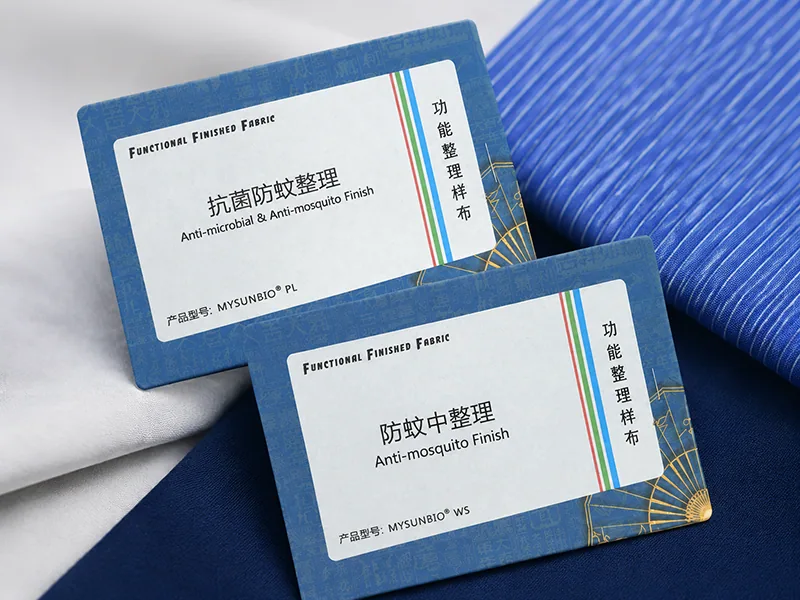
For many years, fabric selection for apparel production was based on familiar criteria: fiber composition, weight, construction, appearance, and cost.
Fabric manufacturers competed through raw material quality, color offerings, stock availability, and pricing. For apparel brands, this was usually sufficient. The process involved selecting a suitable material, testing samples, and moving into production.
In recent years, however, a different approach has become increasingly visible. Fabric is gradually evolving from a simple construction material into a platform that delivers additional functionality.
This trend is particularly evident in China, which remains one of the world's largest centers for the production of fabrics, fibers, and textile technologies.
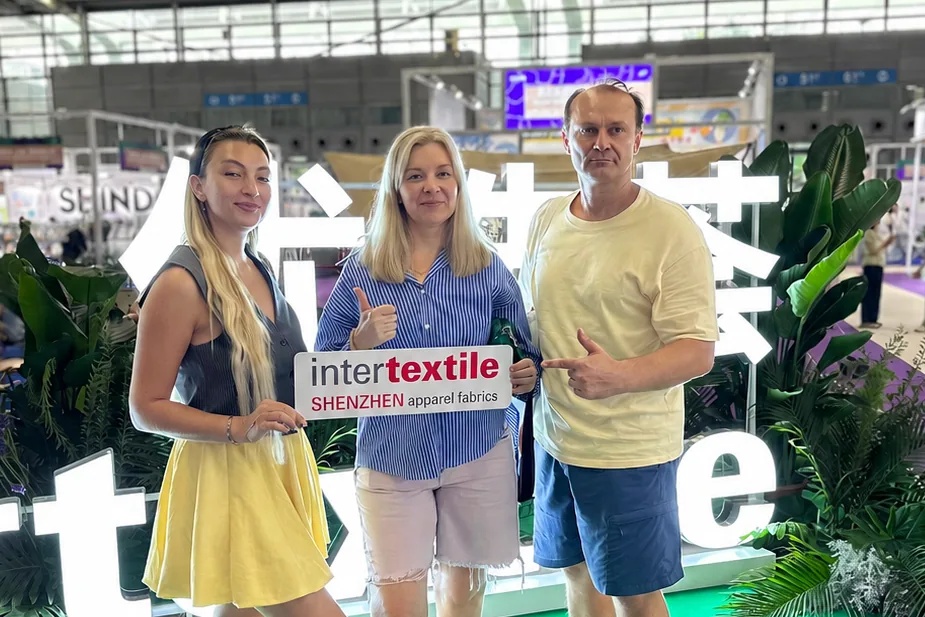
After visiting Intertextile Shenzhen Apparel Fabrics and Yarn Expo Shenzhen this year, one conclusion became clear: functional materials are no longer experimental concepts and are steadily becoming a major direction for the industry's development.
From Material to Function
The exhibition featured a wide range of fabrics and fibers with enhanced performance characteristics. Importantly, these developments are no longer limited to sportswear or highly specialized applications.
Today, manufacturers offer materials with a wide range of functional properties:
- UV protection;
- antibacterial performance;
- insect-repellent properties;
- odor control;
- cooling effect;
- moisture management;
- anti-static properties;
- stain resistance;
- flame-retardant performance;
- fragrance-infused textiles.
"Only a few years ago, such solutions were often viewed as marketing novelties. Today, they are increasingly becoming a standard part of fabric manufacturers' product portfolios."
At many exhibition booths, discussions focused not on the material composition itself, but on the added functionalities and the benefits they provide to end consumers.
What Powers These Technologies
In many cases, these innovations do not involve the development of entirely new fibers. Instead, additional functionalities are typically achieved through specialized finishing processes applied to the fabric.
Various chemical formulations, coatings, microencapsulation technologies, and specialized treatments are used for this purpose. Active agents are bonded to the fabric surface or enclosed within microcapsules that gradually release their contents during wear and use.
This is why today's market offers fabrics that can:
- repel insects;
- provide antibacterial protection;
- retain and release fragrance;
- create a cooling sensation;
- resist stains and contamination.
From a technical perspective, these solutions are quite intriguing and are already finding applications across various market segments.
Where Technology Ends and Marketing Begins
Manufacturer claims should be approached with caution. The main question is not whether the technology works immediately after fabric production — in many cases, it does.
It is far more important to understand how long the claimed effect lasts once the garment is in use.
Understanding the durability of these effects is critical. During discussions with manufacturers at the exhibition, we specifically focused on this question.
"For example, some fabrics with mosquito-repellent properties or fragranced coatings maintain their characteristics for approximately ten wash cycles. Such figures appear quite realistic."
Claims of dozens or even hundreds of washes without functional loss raise far more questions. In practice, the durability of these effects depends on the application technology, processing quality, garment usage patterns, and care conditions.
Therefore, when selecting such materials, it is important to consider not only marketing descriptions but also test results, certifications, and the manufacturers’ actual data.
Are These Materials Accessible to Brands?
Over the past few years, we have compiled an extensive database of manufacturers of functional fabrics and specialized treatments in China. Among them are suppliers offering materials with antibacterial properties, UV protection, moisture management, cooling effects, insect-repellent capabilities, and other functional features.
Not all of these solutions are available in small batches, but many technologies are already used in serial production and may interest brands looking to add extra functional attributes to their products.
If this area is of interest for your project, you can contact us for consultation. We will help evaluate available options, minimum order quantities, and actual production capabilities.
Related articles
Recycled Materials in Apparel: A Trend or the New Reality?
In 2026, recycled materials have definitively moved beyond being just a marketing tool for major brands.

How to Launch Clothing Production in China
China has long been the center of global clothing manufacturing. Many companies aim to launch production there efficiently, but they often face unexpected challenges.
Buying Ready-Made Clothing in China vs Manufacturing
Buying ready-made clothing is a separate tool with its own limitations, risks, and objectives.