Recycled Materials in Apparel: A Trend or the New Reality?
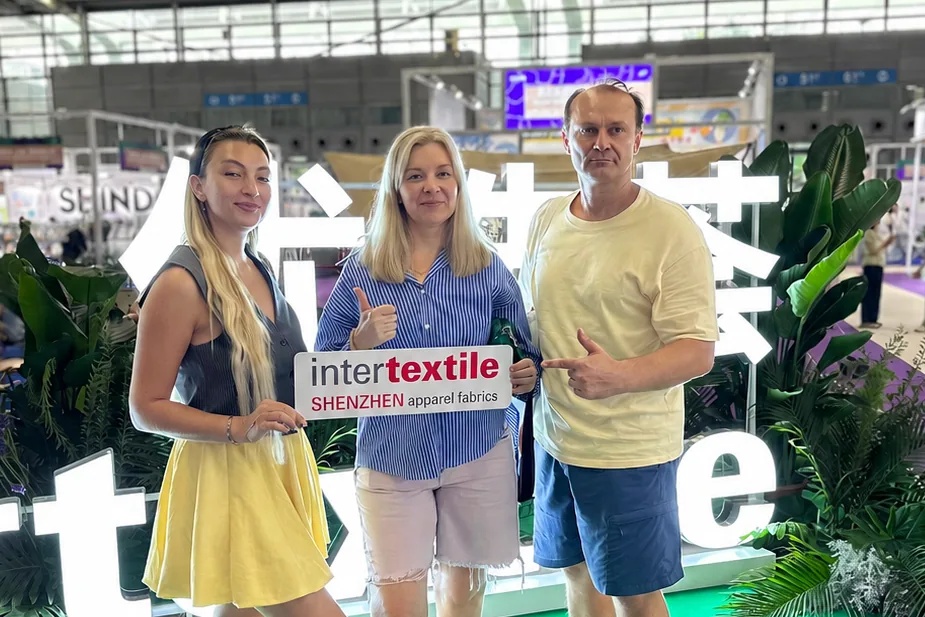
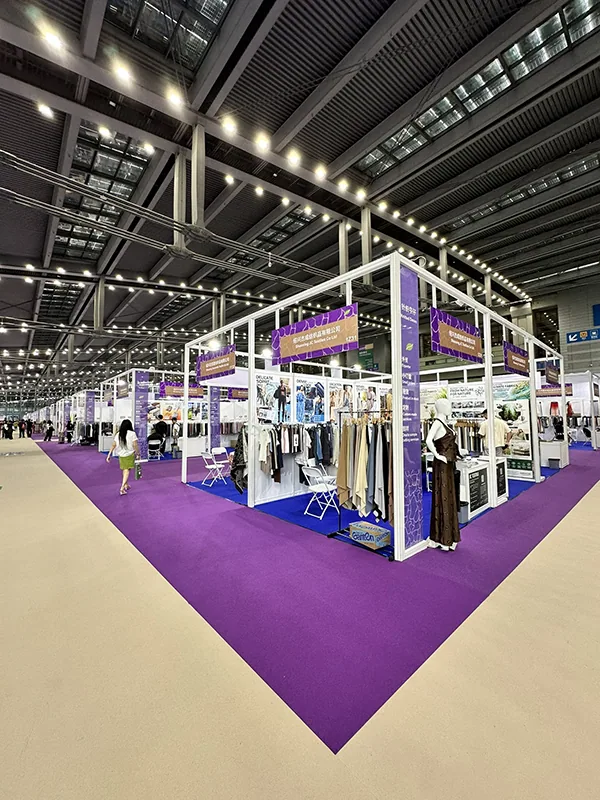
After visiting Intertextile Shenzhen Apparel Fabrics and Yarn Expo Shenzhen, I was left with a strong impression that recycled materials have finally moved beyond being just a marketing tool for major brands.
Over the past few years, I have repeatedly heard discussions about sustainability, environmental responsibility, and recycled raw materials. However, these topics often seemed more like additional marketing arguments or attractive points in corporate presentations.
Today, the situation looks different. It was difficult to walk through several exhibition halls without encountering fabric, yarn, and chemical material manufacturers focused specifically on this area. Moreover, the conversation is no longer limited to recycled polyester made from plastic bottles.
What Is Considered Sustainable Materials Today
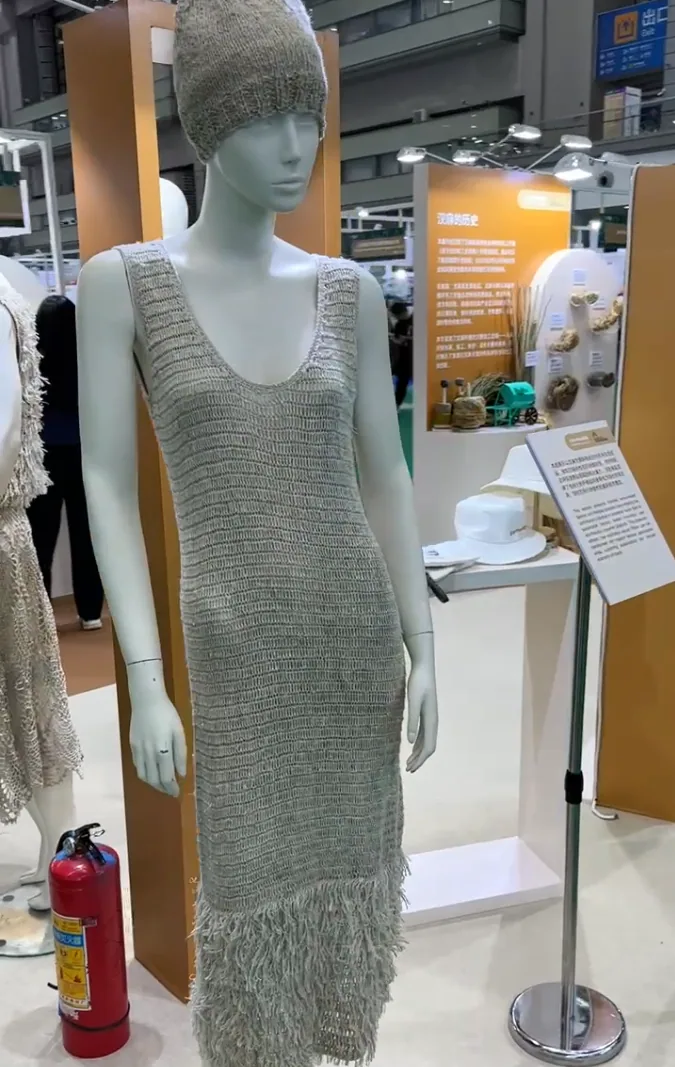
Many people still view sustainable materials as a separate category of fabrics. In reality, the industry is moving much further. The exhibition showcased developments in biodegradable fibers, new dyeing methods with reduced water consumption, functional membranes, recycled raw materials, bio-based materials, and even intelligent textile quality control systems.
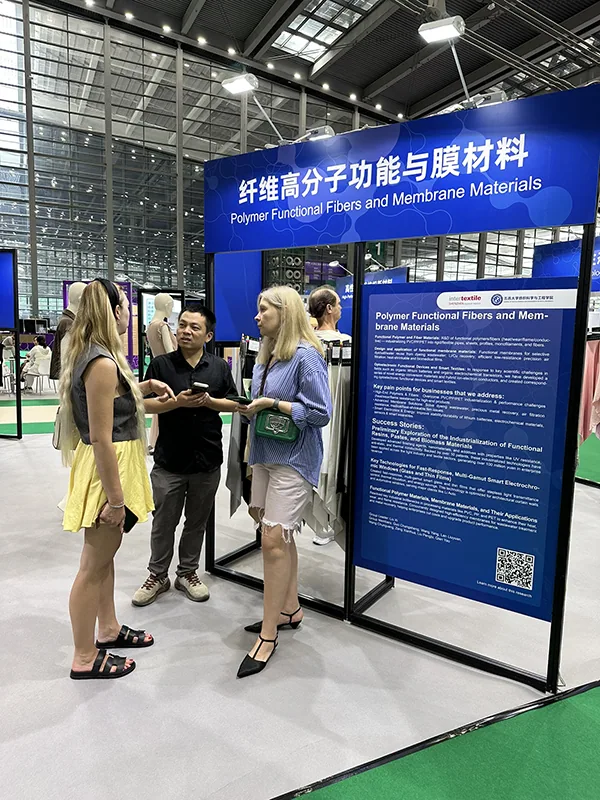
Particular attention was drawn to the booths of research teams focused on developing the next generation of textile materials.
Among the projects on display were:
- biodegradable fibers;
- environmentally friendly dyes;
- functional coatings;
- smart textile materials;
- technologies for recycling textile manufacturing waste;
- artificial intelligence-based fabric quality control systems;
- materials with enhanced performance characteristics and reduced environmental impact.
"When such developments are being pursued not only by fabric manufacturers but also by research institutions, it becomes clear that this is no longer a temporary trend."
Why the Industry Is Moving So Actively in This Direction
There are several reasons for this. On the one hand, the requirements imposed by major brands are becoming increasingly strict. Many companies already include specifications related to raw material origin, recycled content, and environmental certifications in their technical requirements.
On the other hand, manufacturers clearly understand that these requirements will only become stricter in the future. As a result, investments are being directed not only toward new fabrics but also toward dyeing technologies, recycling processes, water treatment systems, and waste reduction solutions. For many factories, this has already become a matter of maintaining competitiveness in the global market.
"While preparing content for our Telegram channel dedicated to garment manufacturing and working with factories in China and Asia, I have increasingly noticed that news about sustainable materials is no longer uncommon. Almost every week brings reports about new collections, recycled raw materials, innovative fabrics, or investments in sustainable production."
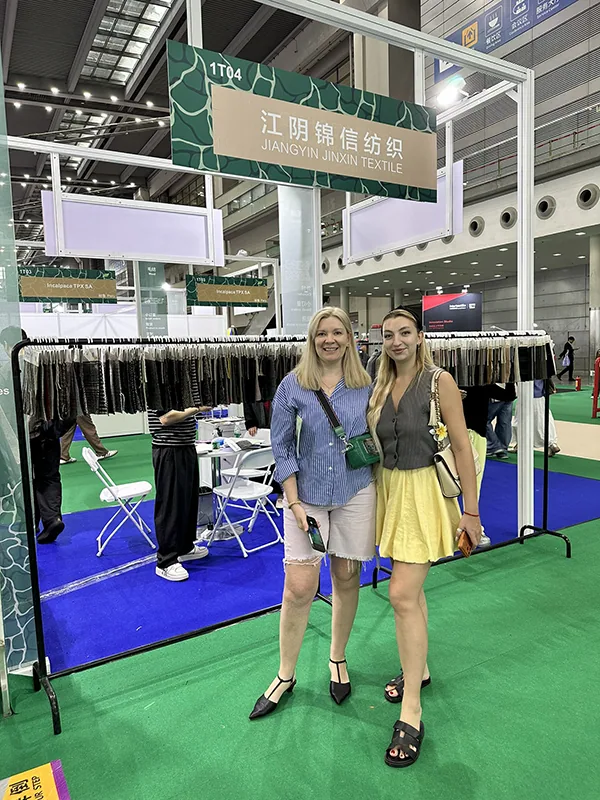
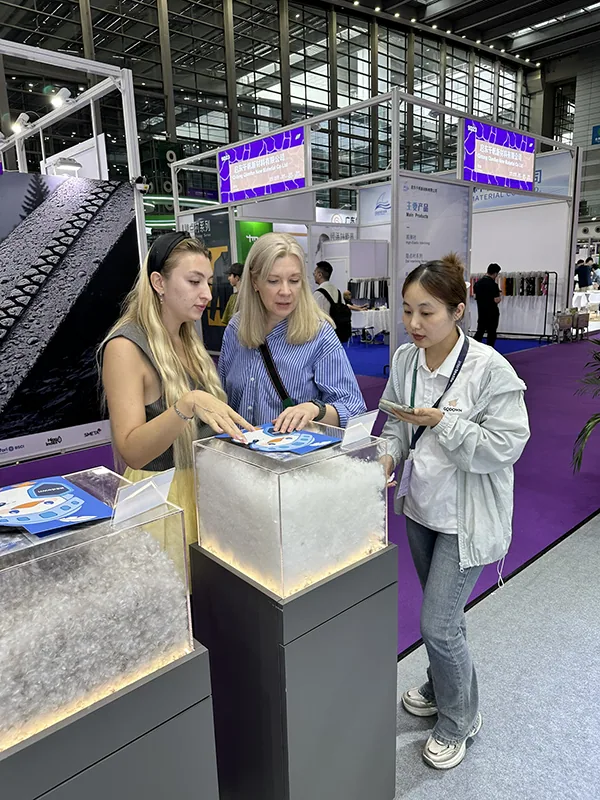
A Few Photos from Intertextile Shenzhen Apparel Fabrics and Yarn Expo Shenzhen
But There Is One Problem That Is Discussed Much Less Often
From the perspective of a small brand, the situation is not quite so simple. The exhibition featured many interesting materials, some of which were genuinely impressive both in terms of composition and performance. However, enthusiasm often fades after asking the first question about minimum order quantities.
In many cases, the minimum purchasing volumes are simply beyond the reach of small brands and emerging projects.
Sometimes suppliers require thousands of meters of fabric. In other cases, the requirement involves large volumes of specialized yarn. There are also situations where the cost of developing and launching a new material is comparable to the entire budget of a young brand's first collection season.
This is why there is often a significant gap between the desire to use sustainable materials and the practical ability to implement them.
The Reality for Small Brands
Most of the brands we work with are not in a position to order several thousand meters of fabric simply for the sake of experimentation.
Most of the brands we encounter are operating under conditions where ordering thousands of meters of fabric for a trial project is simply unrealistic.
Typically, these projects involve small production runs, a wide range of product styles, limited budgets, and a need to test market demand quickly. For such businesses, material cost and minimum order quantities remain critical factors.
As a result, not every sustainable solution is economically viable in practice. This does not mean the industry is not moving forward—quite the opposite. However, many of today's advanced materials remain far more accessible to large brands than to smaller companies.
What Do I Think Will Happen Next?
"Over twenty years in the industry, I have seen many production trends come and go. Some disappeared within a few years, while others gradually became an integral part of the industry and stopped being viewed as something unusual. Lately, it feels as though recycled and sustainable materials belong to the second category. Too many resources are being invested in this field today. Too many manufacturers are involved in development. Universities, research laboratories, and technology companies are participating far too actively for this to be a temporary phenomenon."
The question is no longer whether this trend will become part of the textile industry. The real question is how quickly these solutions will become accessible not only to large international companies but also to smaller brands that are just beginning their journey.
Only then will it be possible to speak about a truly large-scale transition to new materials across the industry, rather than isolated projects and impressive exhibition presentations.
After exhibitions like these, I am regularly asked about suppliers of recycled fabrics, sustainable materials, and new developments that are emerging in the market.
Fortunately, after many years of working in China, we have built a large network of manufacturers and suppliers across a wide range of categories. Therefore, if sustainable materials are relevant to your brand, finding suitable solutions today is much easier than it was just a few years ago. The key is to clearly define the product requirements, expected volumes, and project budget in advance.
Related articles

How to Launch Clothing Production in China
China has long been the center of global clothing manufacturing. Many companies aim to launch production there efficiently, but they often face unexpected challenges.
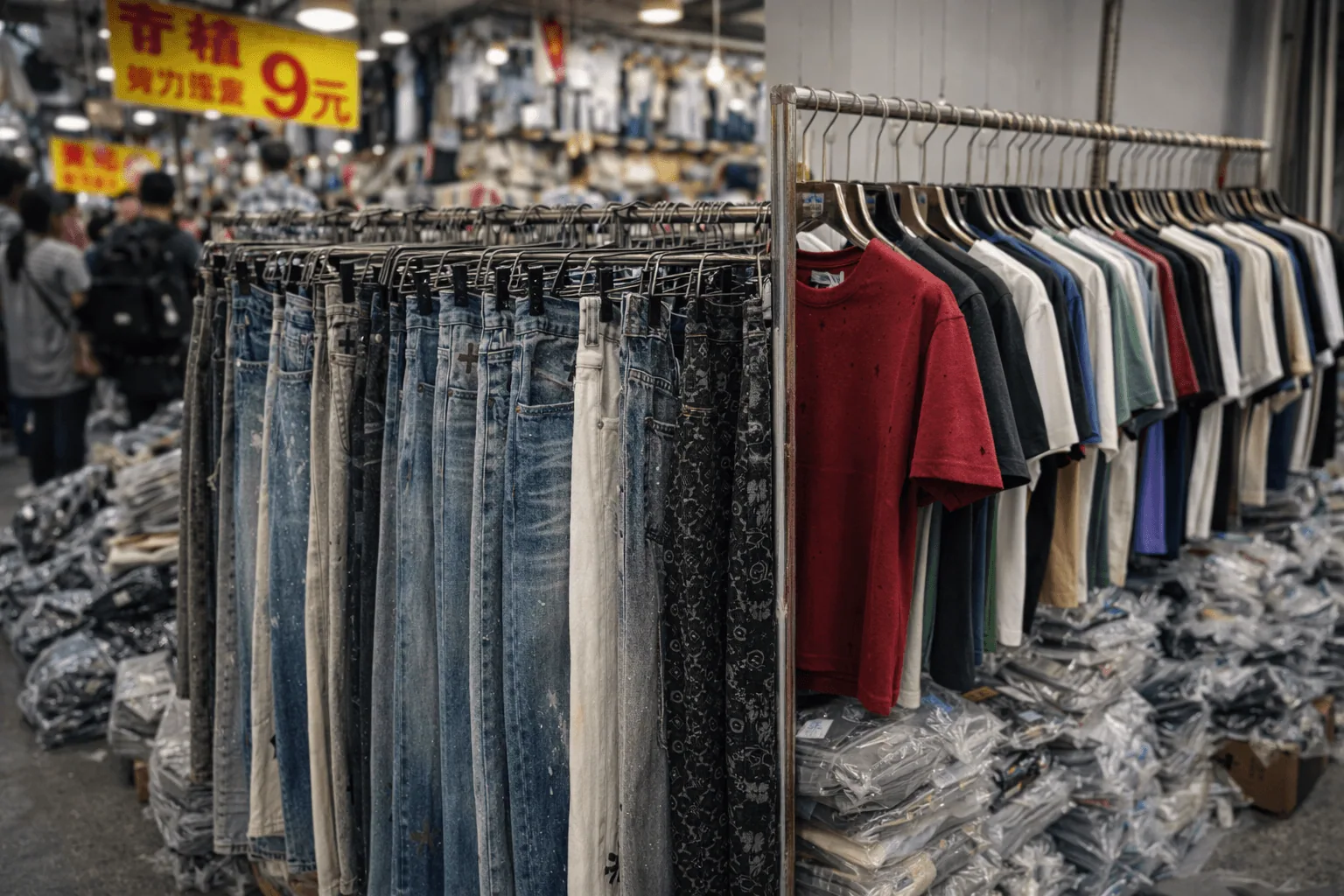
Buying Ready-Made Clothing in China vs Manufacturing
Buying ready-made clothing is a separate tool with its own limitations, risks, and objectives.
MOQ for clothing manufacturing in China
For brands planning clothing production in China, this is one of the key parameters.